By David Beres
•
August 28, 2026
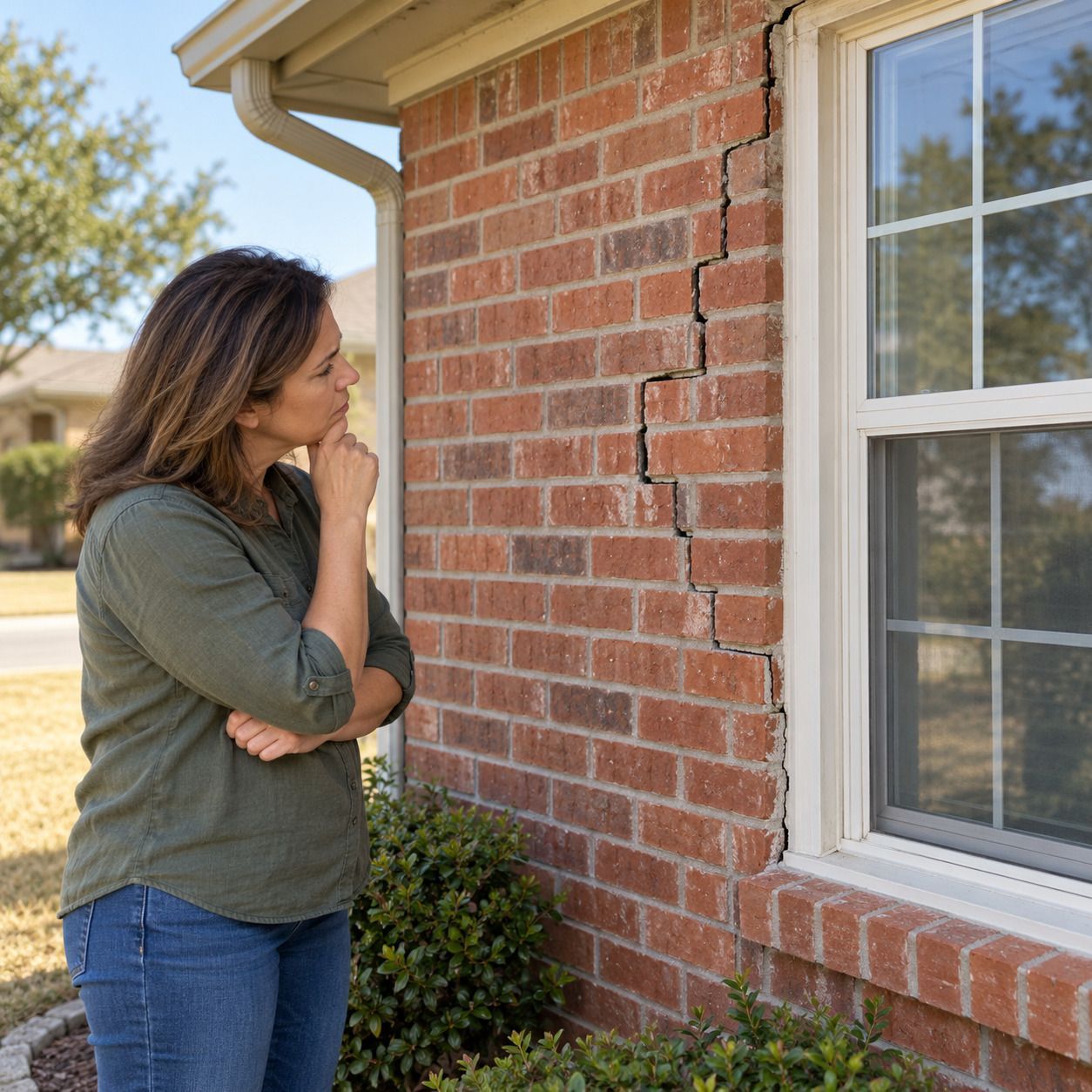
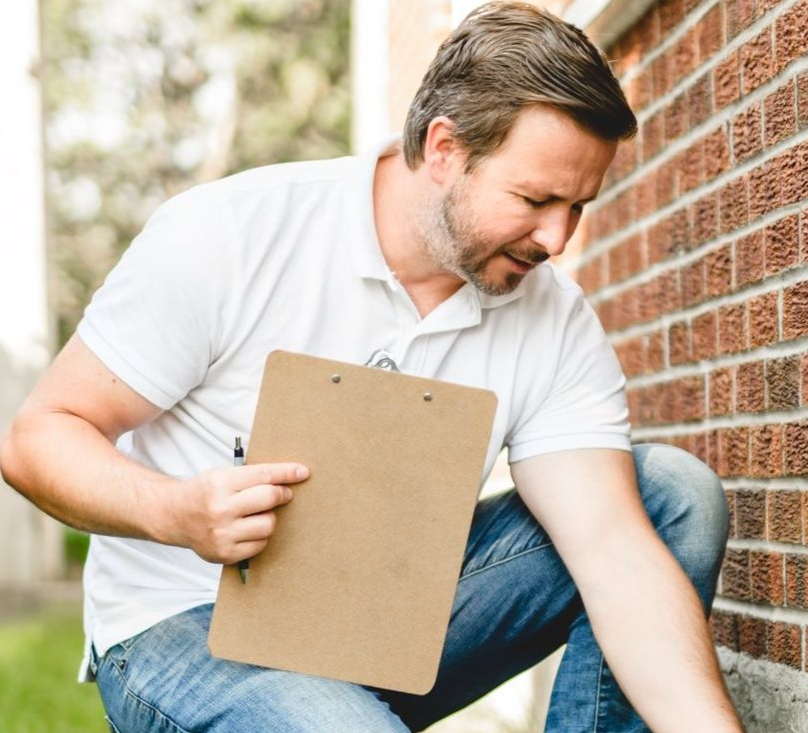
HOMEOWNER'S GUIDE Foundation Repair in Wichita Falls, Texas: A Complete Homeowner's Guide How to tell if your home needs repair, who should do the work, what it may cost, and what to do next By David Beres | August 2026 Answer Block: What Are the Key Points to Know About Foundation Repair? Answer: The three key questions are: Does my foundation need repair? Who should inspect the home and do the work? What will the full job cost? Not every crack needs repair, so start with a full inspection and a written explanation of the cause. A foundation repair company can provide a plan and price. An independent structural engineer can give a second opinion when the damage is large, the cause is unclear, or bids disagree. Costs vary by the cause, foundation type, repair method, number of piers, plumbing or drainage work, permits, and finish repairs. Compare the full written scope, exclusions, and warranty rather than price alone. Key Takeaways: The Main Foundation Repair Questions 1. Do I need repair? Look at the full pattern of cracks, sticking doors, uneven floors, water, and other changes—not one sign alone. 2. Who should I call? A foundation contractor can inspect and price the work; an independent structural engineer can help when the cause is unclear or bids disagree. 3. What will it cost? The cause, foundation type, repair method, number of piers, plumbing or drainage work, permits, finish repairs, and warranty terms all affect the total. 4. What should I do next? Record the warning signs, check for water or plumbing problems, get the cause and scope in writing, and compare more than price. Helpful official sources are listed at the end of the guide. Important: This guide gives general facts. It cannot tell what is wrong with one home. Wichita Falls Foundation Pros does not inspect or repair foundations. We help local homeowners connect with one foundation professional who can inspect the home and give a written estimate. Do I Need to Repair My Foundation? What Should I Do When I First See a Warning Sign? Stay calm and write down what you see Start with simple facts. Take clear photos and add the date. If you can reach a crack without risk, place a ruler next to it for the photo. Make a short list of other changes. Note doors that stick, windows that will not open, or floors that feel uneven. Write down when you first saw each sign. Check the same places from time to time. New photos may show if a crack is growing. This record can also help the person who inspects your home. Do not enter a tight crawl space or climb to a risky place. Your safety comes first. Look for more than one sign A small crack may come from drying, age, or normal wear and may not indicate a foundation problem. The concern grows when several signs show up together. A wall crack, a sticking door, and a sloping floor in the same part of the home may point to movement below. Do not try to name the cause from a photo on the web. The whole home, the yard, the drain system, and the plumbing may all matter. Know when to ask for help soon Some signs should not wait. Ask for prompt help if you see: • A wall that bows, leans, or pulls away • A quick change in the floor • A crack that grows fast • Water coming into the home • Signs of a pipe leak • A chimney pulling away from the house • A door or exit that will not work • Any part of the home that feels unsafe If you think there is a risk of collapse, fire, gas, or flood, leave the unsafe area. Call the right public safety or utility service. What Are the Common Signs Inside and Outside the Home? Foundation movement can show up in many places. One sign may have a simple cause. A group of signs is more useful. Signs inside the home Look for cracks above doors and windows. Also look where walls meet the ceiling. Doors may rub, stick, or swing open by themselves. Windows may become hard to open or close. You may see gaps near cabinets, counters, or trim. Tile may crack. Plank floors may pull apart. Floors may slope, sag, or feel soft. In a pier-and-beam home, the floor may feel bouncy. Signs outside the home Brick may crack in a stair-step shape. Gaps may form near doors, windows, or trim. The wall may pull away from a window frame. The roof trim may no longer meet in a straight line. A chimney may lean or pull away. Cracks may also appear in the part of the slab that you can see. Signs under a pier-and-beam home A crawl space may have standing water or a damp smell. Wood beams or floor joists may look soft, dark, or rotten. Piers may shift. Shims may move or fall out. Wet soil, pests, or poor airflow may harm the wood. Only enter a crawl space if it is safe and easy to reach. A trained person may be the better choice. Signs that may have another cause Not every crack comes from the foundation. Concrete can crack as it dries. Drywall seams can open with age. A driveway or walk may sink even when the home is stable. A door may stick because the wood grew damp or the door was hung poorly. Old mortar may break down. Tile may crack because it was not set well. This is why a full check matters. How Can I Tell If a Crack Is Serious? No one detail gives a sure answer. The place, shape, age, and change in the crack all matter. Look at the direction and place A straight up-and-down crack may be linked to drying or normal movement. The crack may still need repair if water passes through it. A side-to-side crack in a wall can require quick care, especially when the wall also bows. A slant crack near a door or window may be linked to movement in that part of the home. A stair-step crack follows the joints between bricks. It can form when one part of a wall moves more than another. A floor or slab crack may be only at the surface, or the crack may be part of a wider issue. The rest of the home must be checked. Watch for change Take a photo of the crack with a ruler in view. Check the length and width again later. Look for water, dust, or bits of mortar near it. Note if a door starts to stick or a floor changes in the same area. Dry and wet seasons may change how a crack looks. Do not wait for months if the crack grows fast or the wall seems weak. Do not use width as the only test A thin crack can be near an area that is still moving. A wide crack can be old and stable. The best answer comes from the full pattern. A good check looks at the crack, the floor, the walls, the yard, the water flow, and the type of foundation. Why Do Wichita Falls Homes Develop Foundation Problems? The ground below a home is part of the support system. Water, weather, trees, pipes, and past work can change that support. Soil is not the same on every lot The Wichita Falls area has soils with loam and clay. Some soil lets water pass slowly. Clay-rich soil can change as it gets wet or dry. The U.S. Department of Agriculture says the Wichita soil series is made from loamy and clayey material. The USDA also says Wichita soil lets water pass at a fairly slow rate. This does not mean every home sits on the same soil. Soil can change from one lot to the next. Fill dirt and past building work can also change a site. Official source: USDA Wichita soil series Dry and wet weather can change support During a dry time, some soil can shrink and pull away from the slab. During a wet time, some soil can swell. If one side of the home gets more water than the other, the support may become uneven. Uneven soil support can place stress on the slab, walls, and frame. Poor drainage can add stress Rain should move away from the home. Water that stays near one side can make the soil there much wetter. Common drainage problems include: • Soil that slopes toward the house • Water that pools near the wall • Short or loose downspouts • Full or broken gutters • Runoff from a roof, patio, or driveway Too little water and too much water can both be a problem. The goal is steady and even care, not a soaked yard. A plumbing leak may change the soil A pipe below a slab can leak into the soil. A drain leak can also wash soil away or keep one area wet. In a pier-and-beam home, a leak can wet the soil and the wood. Ongoing moisture may lead to rot, mold, pests, or weak floor parts. Ask about a plumbing test if there are signs of a leak. These signs may include a high water bill, warm floor spots, damp soil, or water sounds when no tap is on. Trees and plants affect moisture Large trees use a great deal of water. Roots and shade can change how wet the soil stays near the home. Do not cut large roots or remove a mature tree just because you see a crack. A sudden change may cause new soil change. Ask a tree expert and a foundation expert for advice. The home's past can matter The soil may not have been packed well before the home was built. An addition may sit on a different type of base. Past repair work may help one area while another area later moves. In an older pier-and-beam home, wood, piers, and shims may wear out. Two homes next door to each other may have very different problems. They may have a different age, drain plan, tree line, foundation type, or repair history. What Type of Foundation Does My Home Have? The repair plan starts with the foundation type. The two common types are a concrete slab and a pier-and-beam base. Slab-on-grade foundation A slab is a thick piece of concrete set close to the ground. The home sits on top of it. Some water and drain lines may run under or through the slab. Pipes beneath a slab can make a hidden leak harder to find. Signs of movement may include wall cracks, hard-to-use doors, gaps, or a floor that is no longer level. Pier-and-beam foundation A pier-and-beam foundation lifts the home above the ground. Piers hold up beams, and the beams hold the floor joists and floor above. The open area below the home is the crawl space. A crawl space gives access to pipes and wires, but it can also collect water or damp air. Repair may involve shims, piers, beams, joists, drainage, or damaged wood. Additions and mixed foundations An added room may sit on a base that is not the same as the old home. The two parts can move at a different rate. A crack where the old wall meets the new room may come from this split. A check should cover both parts. Manufactured homes Manufactured homes can use piers, anchors, and other parts. Their rules and records may differ from those for a site-built home. Ask for a person who knows this type of home. A sale or loan may also call for special papers. Who Should Inspect the Home and Do the Work? Who Should Inspect a Foundation Problem? The right person depends on the reason for the check. You may need a repair bid, an outside view, a home sale check, or a pipe test. Quick Guide: Who Should I Call? Professional Call when... Usually provides Foundation repair contractor You need a foundation inspection, repair plan, and price. Measurements, proposed work, and a written estimate. Independent structural engineer Damage looks large, the cause is unclear, or bids disagree. An independent assessment, report, or repair design when needed. Licensed home inspector You are buying or selling and need a broad visual home inspection. A general inspection report and referrals to specialists when needed. Licensed plumber or leak specialist A water or drain leak may be affecting the foundation. Leak testing, findings, and a plumbing repair recommendation. A home may need help from more than one professional. Foundation repair contractor A foundation company can inspect the home and give a repair plan and price. Many offer this first visit at no cost. Keep in mind that the company also sells the work. Ask for clear facts, floor readings, photos, and a written plan. Independent structural engineer An engineer can give an outside view and may not sell the repair. An independent opinion can help when the damage looks large or two companies give very different plans. An engineer may also help during a home sale or when a written repair design is needed. Ask about the fee, the report, and any follow-up visit before you agree. Licensed home inspector A home inspector gives a broad check during a home sale. Texas rules call this a limited visual check of the home at that time. The rules do not make a basic home check a full study of every hidden cause. If the inspector sees signs of poor foundation work, a specialist may still be needed. Official source: Texas Real Estate Commission inspection standards Plumber or leak expert A licensed plumber can test for leaks when water may be part of the problem. The right test may depend on the type of pipe and the place of the leak. Ask who will read the test, who will make repairs, and if another test is needed after foundation work. What should a useful check include? A useful check may include: • A walk around the inside and outside • Floor height readings • A map of cracks and other signs • A look at the yard and water flow • A crawl-space check when safe • A simple view of the likely cause • A written repair plan, if work is needed • Photos, drawings, or other facts that support the plan Ask what was not checked. Also ask what new fact would change the advice. What Foundation Repair Methods Are Used? There is no one best repair for every home. The right plan depends on the cause, the foundation type, the soil, and the part that moved. Watch and measure Not every home needs work at once. If the change is small and stable, a professional may suggest photos and new floor readings after a set time. Ask what signs would mean that you should call sooner. Keep the plan in writing. Seal a surface crack A small, stable crack may be sealed to help keep out water or pests. The seal may also make the surface look better. Sealing a crack does not stop the ground from moving. The cause must be known first. Epoxy or foam injection Epoxy can bond some cracks. A soft foam can help block water in some places. Epoxy and foam have different jobs. Neither product takes the place of support work when the home is still moving. Concrete pressed piers Short concrete pier sections are placed below the edge of the slab and pushed into the soil to form a support point. The site, soil, load, and depth all matter. Ask why this method fits the home and how the work will be measured. Steel push piers Steel pipe parts are pushed into the ground below the weak soil. A bracket joins the pier to the foundation. The crew may use steel push piers to hold the home or lift part of it. Ask how deep the piers will go and what stop test will be used. Helical piers A helical pier is a steel shaft with round plates. The pier turns into the ground like a large screw. The installer tracks the force used to turn the helical pier. The plan should state why the method and pier size fit the job. Slab lifting and concrete leveling A cement mixture or lightweight foam can lift some sunken concrete. Concrete leveling may work well for a walk, drive, patio, or other flat surface. Lifting flat concrete is not the same as fixing the main support under a house. Ask which problem the work is meant to solve. Pier-and-beam repairs Work may include new shims, reset or replaced straight piers, stronger beams, or new floor joists. Rotten wood may need to be cut out and replaced. Water, pests, and poor airflow should also be fixed. New support will not stop new rot if the crawl space stays wet. Drain and pipe repairs The home may need gutters, longer downspouts, a new yard slope, a drain, or a fixed pipe. Drain and pipe repairs may come before, during, or after support work. Ask who will plan each part and who will check the final result. Finish work comes last Wait to fix drywall, brick, tile, or trim until the cause has been checked. Some finish cracks may change during a lift. The repair company should tell you when it is safe to do the finish work. What Will Foundation Repair Cost, and How Do I Compare My Options? There is no one price that fits every home. A small crack seal costs far less than many piers or large wood repairs. The final price may depend on: • The cause and size of the problem • The type and number of piers • The place of each pier • Work inside the home • Concrete or floor removal • A pipe test or pipe repair • Drain work • An engineer's report • City fees or checks • Yard, wall, brick, or floor repair Do not compare price alone. A low bid may leave out key work. A high bid may include work that another company does not think is needed. Ask each company to show the cause, the repair plan, and every item in the price. For more help with costs, read How Much Does Foundation Repair Cost in Wichita Falls, Texas? How Do I Compare Foundation Repair Estimates? A good bid should help you see the plan. It should not be only a total price at the bottom of a page. Compare the cause first Ask each company these questions: • What caused the change? • Which part of the home moved? • Is it still moving? • Does it need work now? • What may happen if I wait? If the answers do not match, ask why. A third view from an engineer may help with a large job. Compare the work in each bid Check the pier type, number, and place. Look for work inside the home as well as work outside. Ask if the price includes a pipe test, drain work, city papers, clean-up, and repair of holes in floors or walks. Ask who will move plants, cut concrete, and put the yard back. Small missing items can add up. Ask for proof A company should be able to show why it wants to do the work. Ask for: • Floor height readings • Photos • A crack map • A pier map • A clear written plan • A list of work that is not in the price Keep all bids and reports. The records may help with a warranty, a claim, or a future home sale. How Do I Choose a Foundation Repair Company? The company will work on a key part of your home. Take time to learn who will do the job. Check the company Ask how long the company has worked in the Wichita Falls area. Ask for local jobs and people you may call. Ask for proof of business insurance. Find out who will pull any permit that is needed. Ask who will be on the job. The crew may work for the company or for another firm. Read recent reviews, but do not use stars alone. Look for notes about clear bids, on-time work, clean-up, and help after the sale. Watch for sales warning signs Be careful if a person: • Pushes you to sign that day • Gives a firm price without seeing the home • Will not give a clear written plan • Asks for a large payment with no reason • Will not show floor readings or other facts • Says one method is best for every home • Makes a promise that is not in the contract A good company should welcome fair questions. It should give you time to read the plan. Ask about other crews Some companies use outside crews. Using an outside crew is not always bad, but you should know who is in charge. Ask who trains the workers, who checks the work, and whose insurance covers the job. The contract should name the company that stands behind the work. What Does a Foundation Repair Warranty Cover? The word "lifetime" can sound simple. The paper may tell a narrower story. Read what is covered Ask these questions: • Whose lifetime does the paper mean? • Does it cover only the piers that were placed? • Does it cover labor and parts? • Are later inspections or adjustments included? • Is there a fee for a service call? A warranty may cover the repair area but not a new problem across the home. It may also call for proof that you cared for drains and pipes. Ask if it can move to a new owner Some warranties can pass to a buyer. Others need a fee, form, or check within a short time. Get the rules before you sell. A missed step may end the right to transfer. Learn what can end the warranty The paper may list poor drainage, a pipe leak, a room addition, or new work near the slab. It may also leave out movement beyond the fixed area. Ask what care you must do and how you must prove it. Keep photos, bills, and service records. Ask who stands behind the promise A long promise is only useful if a company can honor it. Ask what happens if the local firm closes or changes owners. Judge the exact terms, not the large words at the top of the page. What Happens Before, During, and After Repair? Knowing the steps can make the job less scary. Ask the company for a plan before the crew comes. Before work starts Move cars away from the work area. Ask if plants, walks, or fences must be moved. Keep children and pets away from tools and open holes. Move wall art and breakable items if part of the home may be lifted. Ask about water, power, bathrooms, and doors during the work. Also ask where the crew will place soil and tools. During the work The crew may dig by the slab or work under the floor. It may place piers, change shims, or fix beams. The crew should take new floor readings as work goes on. If part of the home is lifted, the lift should be slow and watched. There may be noise, dust, and short limits on entry. The job leader should tell you what areas to avoid. How long will it take? A small job may take a day. A larger job can take several days or more. Weather, hard access, pipe repairs, wood damage, and city checks can add time. Ask for a range, not a perfect promise. Can you stay in the home? Many people stay home during common repair work. Yet each job is different. The crew should explain safe paths, noise, dust, and times when water or power may be off. Follow the job plan. Can lifting make new cracks? Drywall, tile, brick, and old pipes can be stiff. A change in the home may cause a new crack or make an old one show more. Ask about the risk of new cracks before work begins. Also ask if a pipe test will be done before and after the job. Keep the final papers At the end, ask for: • The signed contract and paid bill • Floor readings from before and after • Photos and the final pier map • City records, if used • An engineer's letter, if used • Pipe test results • The warranty • Care steps and service contacts Store the final papers in one safe place. The records may be useful years later. Are Permits Needed for Foundation Repair in Wichita Falls? The answer can depend on the type and size of the work. Do not guess. The City of Wichita Falls says building work must follow city rules and use the right permits and licenses. Ask the city's Building Inspections office if your repair needs a permit. Official source: Wichita Falls building forms and applications Ask the repair company: • Does this job need a permit? • Who will get it? • Does the city need a plan from an engineer? • Will the city check the work? • Is the fee in the bid? • Which final record will I get? Keep any permits and final inspection paperwork. A buyer, lender, or insurer may ask for it later. Will Homeowners Insurance Pay for Foundation Repair? Many home policies do not pay for common settling, soil change, or normal wear. Yet every policy is not the same. The Texas Department of Insurance says some companies offer extra coverage for foundation or slab damage. The cause of the loss and the words in your policy will decide the answer. Official source: Texas Department of Insurance home guide What is often left out? Common limits may include slow settling, normal cracks, soil movement, wear, or poor care. A long, slow leak may also be treated in a different way than a sudden leak. Do not assume that a pipe leak makes all damage covered. Ask the insurance company to read your own policy. What should you do before a claim? Take photos and write down when you saw the damage. Find your policy and any extra coverage pages. Do not guess at the cause. Say what you saw and what tests were done. Ask the insurer for its answer in writing. Keep emails, letters, reports, and bills. How Do Foundation Problems Affect a Home Sale? Foundation questions can slow a sale, but good records can lower fear. Buyers want to know what happened and what was done. Selling a home with a known problem Talk with your real estate agent or lawyer about what must be shared. Do not hide a known issue or cover a crack just to make it hard to see. An inspection, repair bid, or engineer's report can help set clear next steps. If you make repairs, keep every final paper. Buying a home with past repairs A past repair is not always a reason to walk away. The key is the quality of the work and the state of the home now. Ask for: • The first repair plan • The pier map • Any engineer's report • Before-and-after floor readings • Pipe test results • Permit records • The warranty and transfer rules • Notes about any new movement You may want your own home inspection or engineer. Do not depend only on the seller's old bid. Will past work lower the value? Past foundation work may worry some buyers. Good repair records can reduce that worry. A repair does not promise a higher price. The home, market, repair, and papers all affect value. Can it affect a loan? An appraiser or lender may ask for more facts or repairs if the home shows a major issue. Rules can differ by loan and lender. HUD says its 203(k) loan may be used for some repair of an existing foundation. A buyer should ask an approved lender about the current rules and the home. Official source: HUD 203(k) repair loan program How Can I Help Prevent Future Foundation Problems? No care plan can stop every problem. Simple checks can still lower risk and help you find change early. Move roof water away Clean gutters so water can flow. Fix loose parts and leaks. Downspouts should send water away from the wall to a safe place. Make sure the flow does not harm a neighbor's land. Check the yard after rain Walk around the home after a safe rain. Look for puddles, soft soil, and washout. Soil should not guide water toward the wall. A drain expert can help when the fix is more than a small soil change. Keep soil care steady There is no one watering plan for every yard. Soil, sun, plants, rules, and drain paths all differ. Avoid a soaked strip on one side and bone-dry soil on the other. Ask a local expert before you start a new watering plan near the home. Watch trees and plants Keep new large plants far enough from the home for their full size. Check old trees for risk and signs of stress. Do not cut major roots or remove a large tree without advice. A tree expert can help you weigh safety, health, and soil change. Fix leaks fast Watch the water bill. Check for wet soil, slow drains, and water sounds. In a crawl space, look for damp wood and pipe drips from a safe place. Repair leaks before they cause more harm. Keep a home record Once a year, take photos of key walls, doors, and the outside base. Keep repair and drain bills. A simple home record makes it easier to spot a real change and can also help during a sale. Frequently Asked Questions Is my house safe if it has a foundation crack? Many cracks do not mean the home is unsafe. Safety depends on the place, shape, cause, and other signs. Leave an area and seek quick help if a wall bows, a floor drops fast, an exit will not work, or any part feels unsafe. Can I fix a foundation crack myself? You may be able to seal a small, stable surface crack. First, make sure it is not a sign of deeper movement or water trouble. A seal can hide the sign while the cause keeps getting worse. How fast do foundation problems get worse? Some changes stay small for years. Others grow after a leak, dry spell, hard rain, or drain problem. Photos and floor readings can show change. Fast movement should be checked soon. Does every foundation crack need repair? No. Some cracks come from drying or normal age. The cause matters more than the crack alone. A trained person can help decide if the crack needs a seal, support work, or only watching. Will foundation repair make my whole home level? Not always. The main goal may be to stop more movement. A full lift may not be safe or wise for an older home. Ask what result the plan is meant to reach. Is foundation repair worth the cost? Repair may protect the home and make a sale easier. It is worth doing only when the cause and plan are clear. Get written facts and compare more than one view for a large job. Should I get a second opinion? Yes, if the job is large, the plan is not clear, or bids do not agree. An independent engineer may also help when you want a view from someone who does not sell the repair. For more short answers, visit the Wichita Falls Foundation Pros FAQ page. What Should a Wichita Falls Homeowner Do Next? You do not need to name the problem by yourself. Use these steps: • Take dated photos and notes. • Look for water, drain, or pipe trouble. • Wait to hide cracks with paint or new trim. • Ask for a full check of the home. • Get the cause and repair plan in writing. • Compare the plan, price, and warranty. • Keep every report, photo, bill, and permit. Wichita Falls Foundation Pros does not perform foundation repairs. We help homeowners connect with one local foundation professional who can inspect the property, explain the findings, and provide a written estimate. You do not have to choose a repair before you understand the problem. A clear first step can replace fear with facts.